
Booking cultural experiences: tea, workshops, kimono, and festivals
Choose Japanese cultural experiences by host, language, duration, price, cancellation policy, etiquette, and whether you want tourism or real study.
ARTICLE MAP Reading Map
Japanese cultural experiences divide into tourist-friendly sessions and more serious study. The price, length, language support, and depth are different. Decide first whether you want a short memory, a structured lesson, or a path into regular practice.
Types and prices
| Experience | Typical place | Time | Price | Language |
|---|---|---|---|---|
| Tea ceremony | Kyoto / Asakusa tea rooms | 30-90 min | ¥1,500-5,000 | Often English |
| Kimono rental | Asakusa / Gion | 1-2h plus street time | ¥3,500-12,000 | Multilingual shops exist |
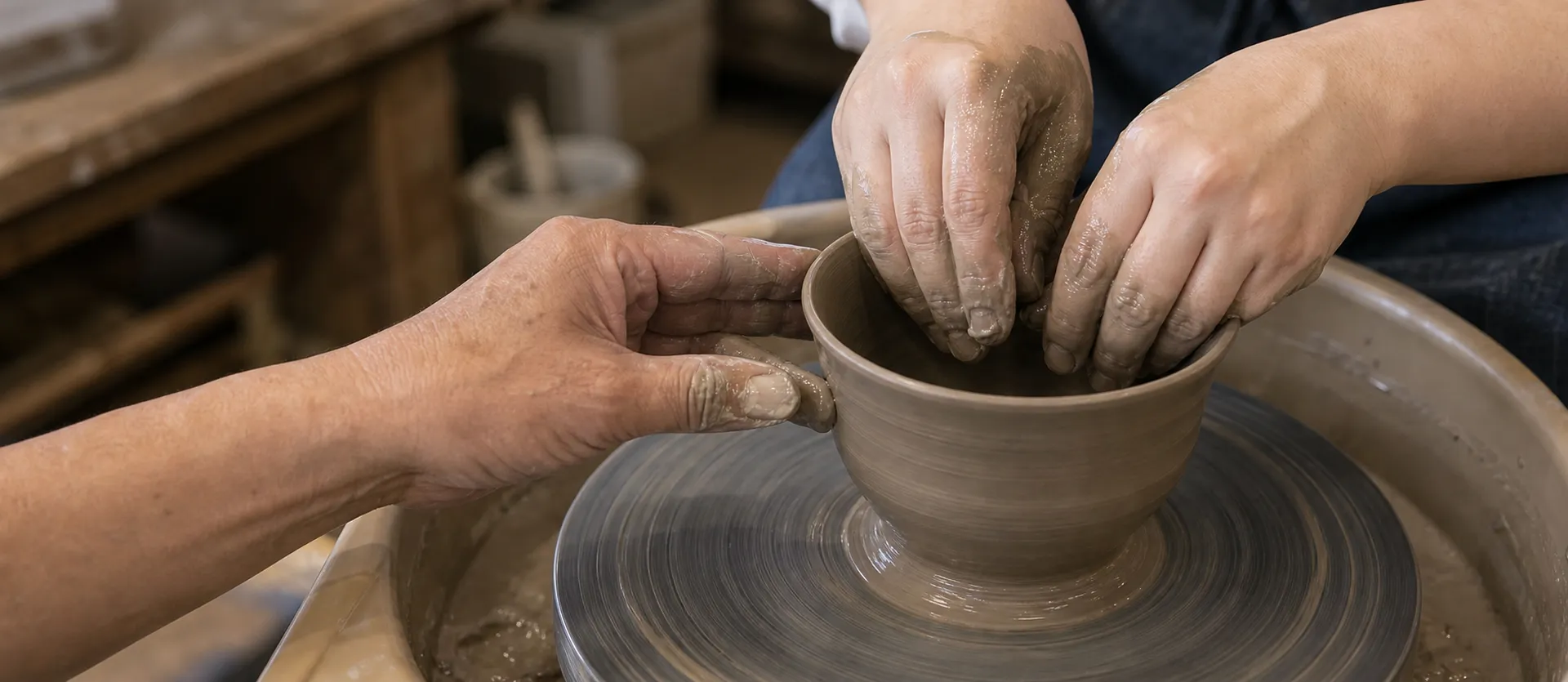
| Pottery | Mashiko / Kiyomizu / Arita | 1-2h | ¥2,000-6,000 | Mostly Japanese |
| Calligraphy | Tourist facilities | About 1h | ¥1,500-3,500 | Some English |
| Wagashi making | Old shops or workshops | 1-2h | ¥3,000-8,000 | Mostly Japanese |
| Martial arts visit | Local dojo | 1-2h | ¥1,000-3,000 | Mostly Japanese |
For serious lessons, entry fees often run ¥3,000-10,000 and monthly fees ¥5,000-15,000. Japanese communication is usually expected.
Booking channels
Airbnb Experiences has many foreigner-oriented cultural activities at around ¥2,000-8,000 per person. VELTRA covers tea ceremony, sumo watching, ninja, iaido, and other tourist activities, often around ¥2,500-15,000.
Direct booking through a shop or facility can be 20-30% cheaper, but you must check Japanese instructions and cancellation rules. Jalan and JTB have many domestic-facing activities and can be used with browser translation.
Tea ceremony
Tea experiences range from 15-30 minute matcha and sweets sessions, to 45-90 minute sessions where you try basic temae movements, to 90-minute or 2-hour formal tea-seat experiences.
Avoid strong perfume because scent affects the tea. If tatami is involved, white socks are safer than bare feet. Bowl-turning and bowing details differ by school, so follow the instructor’s directions rather than memorizing rules from a video.
Kimono rental
Yukata is for summer, easier to wear, and often costs ¥3,000-6,000. Kimono is more formal, takes 20-40 minutes to dress, and often costs ¥6,000-12,000.
Same-day return around 18:00-19:00 is common. Rain makes fabric heavier and geta slippery. Some shops offer rain footwear or damage coverage for about ¥300-500.
Common mistakes
A 45-minute experience will not make you competent. It gives atmosphere, vocabulary, and a few movements. Real learning takes months of classes.
For experiences above ¥8,000, check refund rules before paying. Cancellation the day before may cost 100%. Also avoid riding a bicycle in kimono; sleeves and hems can catch in the wheels.