How to Visit a Doctor in Japan
A basic flow for reception, referral, payment, prescription, and pharmacy pickup.
ARTICLE MAP Reading Map
The first choice in Japan is clinic or hospital. Clinics usually have fewer than 20 beds and handle fever, colds, chronic medication, mild injuries, skin, teeth, eyes, and gynecology. Hospitals handle CT, surgery, admission, and specialist care, often after a referral letter.
Find the right clinic
Search by specialty and nearest station: internal medicine for fever, gastroenterology for stomach issues, dermatology for skin, orthopedics for bone or joint injury, dentistry for teeth, ophthalmology for eyes, and gynecology for women’s health.
Many clinics accept web, LINE, phone, or same-day morning reservations. If you walk in, say it is your first visit and ask whether they can see you. Waiting 1 to 2 hours is common without reservation.
What to bring
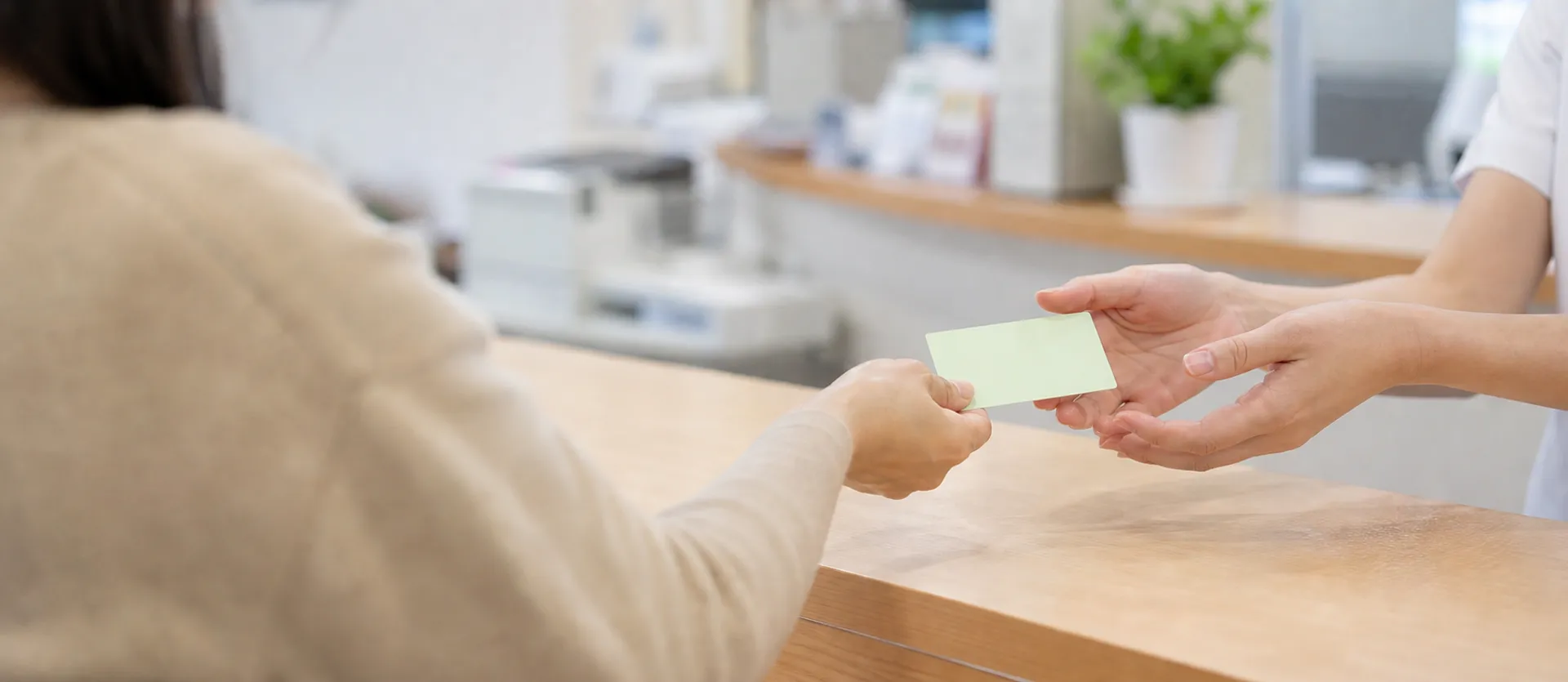
Bring health insurance card or My Number health insurance card, residence card, medication notebook, current medicine list, cash around JPY 3,000 to 10,000, and any referral or test result. Small clinics may not accept credit card or IC payment.
If you cannot explain symptoms in Japanese, write the timeline: when it started, temperature, pain score from 0 to 10, allergy history, pregnancy possibility, and medicine already taken.
Visit flow
At reception, show insurance and fill in a questionnaire. In the waiting room, listen for your name. During consultation, explain symptoms briefly. Blood tests, X-ray, urine tests, or blood pressure measurement may happen during the same visit.
After consultation, pay the 30% patient share if insured. A typical internal-medicine visit plus pharmacy can cost around JPY 2,000 to 5,000, though tests increase the amount.
Prescription and follow-up
Most clinics issue an out-of-hospital prescription. Take it to a nearby pharmacy within 4 days. The pharmacy checks allergies, medicine interactions, generic options, and medication notebook records.
Keep receipts and prescription records by month. They may be needed for high-cost medical care, private insurance, or tax medical-expense deductions. If the doctor asks for follow-up, book it before leaving.
Emergency and language
Call 119 for ambulance or fire. In some areas #7119 can help decide whether to use ambulance, taxi, or next-day clinic. Direct emergency visits to large hospitals can involve long waits and extra first-visit fees.
For language help, use AMDA International Medical Information Center, JNTO medical institution search, VoiceTra, or a written symptom sheet. Translation support is better than delaying care until symptoms get worse.
Common mistakes
Going directly to a large hospital without referral can add a selected medical care fee. For mild fever, skin, ENT, stomach, chronic medication, or minor injury, start with a nearby clinic.
Prescriptions are usually valid for 4 days including the issue date. Weekends and holidays can make them expire, so go to the pharmacy the same day or next day.
Forgetting health insurance card or My Number health insurance card can mean paying 100% first. Keep the receipt and itemized statement so the covered 70% can be reimbursed later.
Useful terms
- Clinic / shinryojo: small medical clinic
- Monshinhyo: medical questionnaire
- Shohosen: prescription
- Kogaku ryoyohi seido: high-cost medical expense system
- Okusuri techo: medication notebook