
Kobe culture: port history, yoshoku, coffee, and design
Kobe's culture comes from the 1868 port opening, foreign settlement, Nankinmachi, yoshoku, coffee shops, textiles, leather, and shoe design.
ARTICLE MAP Reading Map
Kobe has been a port city since its 1868 opening, drawing foreign merchants, missionaries, and Chinese business communities. Its culture is visible in yoshoku restaurants, coffee shops, Western-style buildings, textiles, leather goods, and shoes, not only in the Kitano mansions.
Yoshoku and Kobe beef
Kobe’s yoshoku, or Japanese-style Western food, grew from restaurants serving foreign residents in the Meiji period. Beef stew, croquettes, omurice, and steak became part of everyday dining around Motomachi and Sannomiya. Grill Ippei, founded in 1952, is one long-running example.
Kobe beef is a branded subset of Tajima cattle that meets strict yield and meat-quality standards, including grades A or B and meat quality 4-5. Around Sannomiya and the former foreign settlement, lunch steak often costs ¥4,000-8,000, while dinner can run ¥10,000-25,000.
Coffee culture
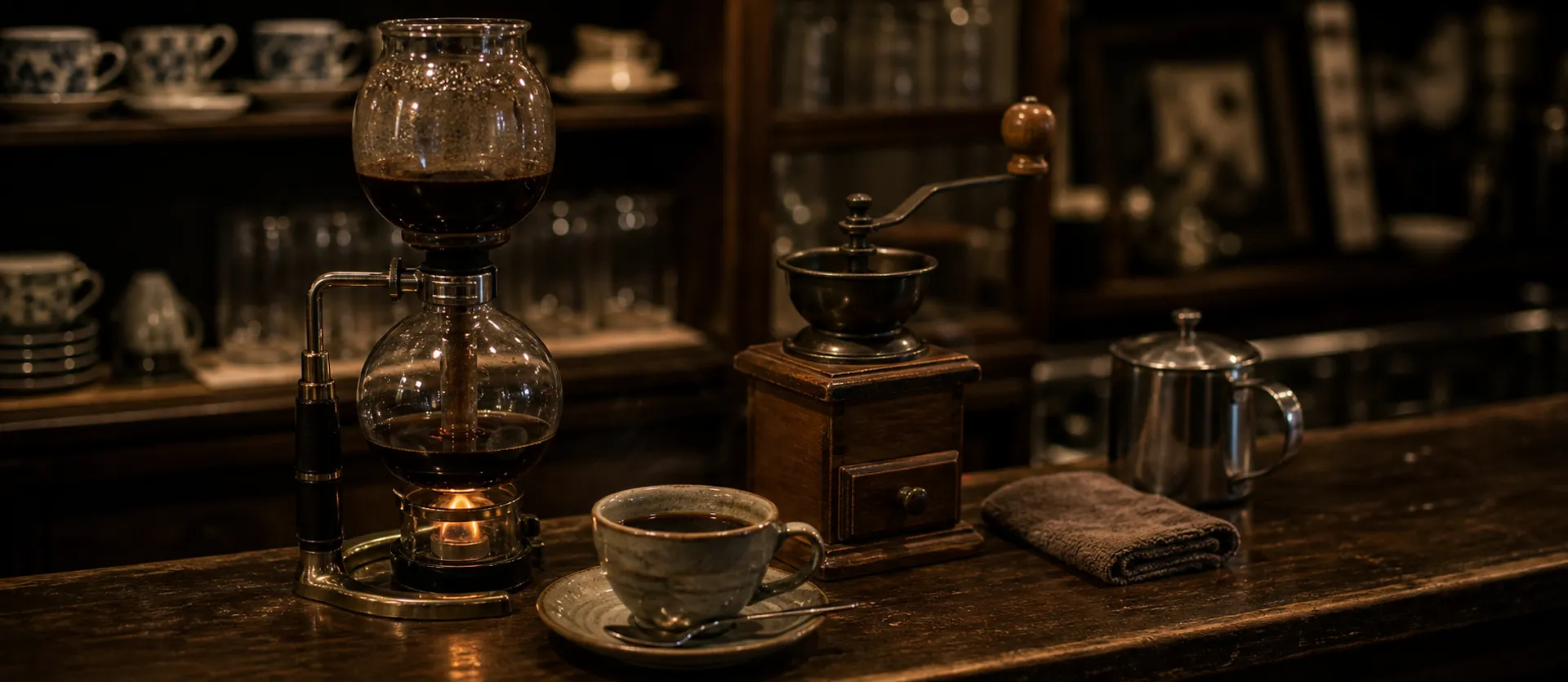
Kobe is often described as a coffee city. After the port opened, foreign coffee habits entered the city, and independent roasters and kissaten spread through Sannomiya, Motomachi, and Kitano.
Representative places include Kitano Monogatari-kan, Hagihara Coffee, and Nishimura Coffee. A coffee and light meal usually costs around ¥700-1,200 per person, making these cafes useful pauses between Kitano, Motomachi, and the waterfront.
Former foreign settlement
The former foreign settlement was a designated foreign-resident district from 1868 to 1899. Today, Meiji and Taisho-era Western-style buildings house brands such as CHANEL and GUCCI, along with restaurants and cafes.
Walking the streets is free, but entering interiors usually means shopping or dining. The district works best as a slow route between Sannomiya, Motomachi, and Nankinmachi, especially if you compare building facades and street widths.
Nankinmachi
Nankinmachi is Kobe’s Chinatown in Chuo Ward, about 200 m east-west and 110 m north-south. It has around 100 shops and is one of Japan’s major Chinatowns, alongside Yokohama and Nagasaki.
Street food includes pork buns for about ¥200-350, small dishes for ¥200-600, and sit-down meals for around ¥800-2,500 per person. Lunar New Year and Mid-Autumn Festival events bring large crowds, and the area also remains a center for the local Chinese community.
Textiles, leather, and shoes
Kobe was a textile and leather center before World War II, and independent clothing and shoe shops still appear around Sannomiya and Motomachi. Nagata Ward became one of Japan’s largest shoe-making clusters in the Showa period.
The 1995 Great Hanshin-Awaji Earthquake damaged Nagata heavily, but the chemical-shoes industry has continued rebuilding as a local brand. When walking Kobe, shoe shops and small clothing brands are as much a cultural clue as the harbor view.